








Voir l'article
Logo de la revue d'appartenance Speakeasy

Short Films with your Collège Students

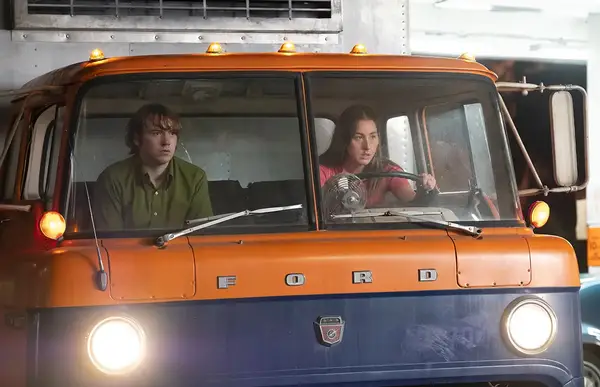
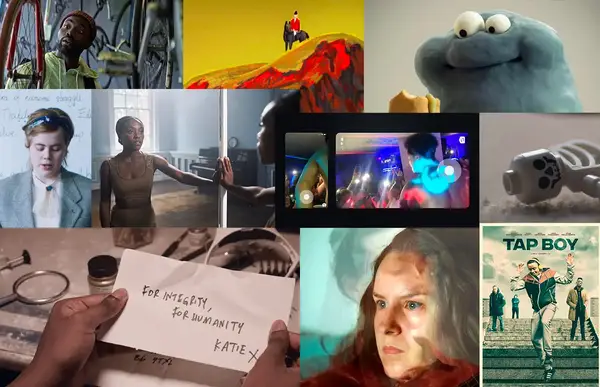
The This is England short-film festival in Rouen has a specific programme of short films for collège classes covering topics from food poverty to sharing, coming-of-age to fossil hunting.

Voir l'article
Logo de la revue d'appartenance Speakeasy

Halloween with Unicef Videos

Halloween is a popular celebration with pupils, and it can be a great way to introduce some English-speaking culture. In the U.S.A., a major Halloween tradition is Trick or Treat for Unicef, a  fundraising campaign for the United Nations children's fund. Unicef has lots of teaching resources about the campaign.

Voir l'article
Logo de la revue d'appartenance Speakeasy

Sir Walter Scott at 250

The father of the historical novel, author of Ivanhoe and the romanticised image of Scottish history portrayed in the Waverley novels, and a collector and preserver of ballads from the oral tradition, Sir Walter Scott was one major figures of Victorian Britain. This year, Scotland celebrates the 250 th anniversary of his birth. Scott was born the son of a lawyer in Edinburgh on 15 August, 1771. At the age of two, he contracted polio, which left him with a limp for the rest of his life. He was sent to stay with is grandparents in the Scottish borders, because the country air was considered better for his health. He was to stay there on and off until he was seven, and was greatly influenced by the ballads and folk tales his grandmother and Aunt Jenny told him. Many featured his ancestors, who, like many people who lived on the border were “reivers”: outlaws who regularly went on raids into England. This light and sound show to commemorate Scott’s 250 th anniversary was projected onto Smailholm Tower in the borders, where his ancestors had lived. https://youtu.be/uC5XsDTLZNI Scott trained as a lawyer, and did work as one, but he had fallen in love with German Romantic poetry and published several translations. He also published anthologies of Scottish ballads he had collected, Minstrelsy of the Scottish Borders. Then he started writing his own epic poems. The most famous, The Lady of the Lake (1810), was set to music by Schubert. It is a tale from Scottish history, a struggle between King James V and the powerful Douglas clan. It was to set the tone for many of Scott’s novels. His first, Waverley (1814), was an immediate and international success. Set in the Scottish Highlands, it combined romantic descriptions of the wild landscape and of the heroic clans. He would go on to write over two dozen of the Waverley novels and is credited with inventing the genre of the historical novel. Most of them are set in Scotland, like the hugely popular Rob Roy , although Ivanhoe , a medieval English tale of chivalry is another of the bestsellers. Both have been adapted as films. https://youtu.be/p76fH8_a32Y The Waverley novels were published anonymously, as Scott wanted to keep his name for his serious poetry, and his legal work. His authorship was only officially revealed in 1827, five years before his death. The world Scott often described, of the Highland clans living in harmony with admittedly harsh nature and according to strong codes of honour, had disappeared by the time he was writing. The clan system had been dismantled by the British crown after the 1745 Jacobite Rebellions. Wearing tartan and carrying weapons were outlawed. Scott contributed to reviving the fashion for tartan in 1822. Always torn between his love for the Scottish past and enthusiasm for the mercantile British future, he helped organise George IV’s visit to Scotland. He adorned Edinburgh in tartan and kilts and launched a craze that would lead to George’s niece, Queen Victoria’s love of Scotland. (She was an enthusiastic reader of Scott.) Scott, who had been made a baronet in 1818, died in 1832, but left his mark on Scotland and on literature. He contributed more words and phrases to the English language than any writer other than Shakespeare. After his death, his home city Edinburgh erected a large monument to him, which still stands on the city’s main thoroughfare, Princes Street. It is a stone’s throw from the main train station, named Waverley after his novels. https://youtu.be/Po_KnisANPY Head over to Ready-to-Use resources for a Biobox video to introduce your students to Scott from A2+.    

Voir l'article

5

Ressources
complémentaires

Logo de la revue d'appartenance Speakeasy

Guy Fawkes

This A1+ article is a short introduction to the Gunpowder Plot, and the traditions of Guy Fawkes Night, 5 November. As 5ème pupils are studying the XVIIe century in history, it lends itself well to an EPI.

Voir l'article
Logo de la revue d'appartenance Speakeasy

David Attenborough: People's Advocate for the Planet

Sir David Attenborough has fascinated viewers around the world for decades with his documentary series like The Blue Planet and Life on Earth. Now the 95-year-old naturalist is using his communication skills to try to explain the complex issues to be tackled the United Nations’ COP26 environmental summit in Glasgow from 31 October. Attenborough was named “People’s Advocate” by the British government, which is hosting the summit , which was postponed from last year. In that role he has been making a series of speeches in the run up to the summit, and will speak at the event itself. Attenborough’s statement on the nomination: https://youtu.be/Oevm9nQz25k Attenborough revolutionised natural history programming at the BBC in 1954, when he produced and co-presented Zoo Quest, the first series produced by the BBC where animals were filmed in the wild. After a stint as a BBC executive (we have him to thank for Monty Python’s Flying Circus being broadcast), Attenborough returned to his first love: nature programmes. The zoology graduate has roamed the globe several times over and worked with incredible camera operators to bring us images of life in all its variety ever since. At 95, he now does more narrating than exploring and in recent years has become more and more worried about climate change affecting biodiversity and the natural environments he loves. His three most recent series, Our Planet (2019), Climate Change—The Facts (2019), and David Attenborough: A Life on Our Planet (2020) were all cries of distress on behalf of the natural world. He wishes to impress upon the leaders at COP26 and the general public the need for urgency. However, he does see hope as long as we act now. In a recent speech at the Chatham House think tank in London, his warning was stark, “The world is being destroyed. We are doing it.” But he saw a positive change in attitude. “In the past, international relationships have been dominated by argument, by people with one point of view disagreeing with people with another point of view. But now there is a difference. Now the major problems that face the nations of the world are the same for all nations.” This, he hopes, will make them work together to find solutions for future generations.  “The most powerful dynamic that should force those people in Glasgow is that it is young people who see this it is their future. They now understand what the problems are worldwide.” Attenborough is a fellow of the Royal Society, Britain’s oldest and most prestigious science institution. He has been working with them on their consciousness-raising campaigns on climate change . He recently narrated this short animation that succinctly explains the importance of biodiversity for our future, and the dangers it faces. https://youtu.be/GlWNuzrqe7U As he concludes,"We need all the riches of our living planet to help us live healthy, happy lives long into the future." COP26 United Nations Climate Change Conference 31 October-12 November

Voir l'article
Logo de la revue d'appartenance Speakeasy

In Conversation with Kenneth Branagh

If you are studying "Much Ado About Nothing" with your LLCER students, or anything about the Troubles in Northern Ireland, you’ll want to download this long-form interview with actor-director Kenneth Branagh from BBC Radio 4.

Voir l'article
Logo de la revue d'appartenance Speakeasy

What Resources Would You Like?

Are there subjects you would like to see us covering in our Ready to Use Resources? (Or indeed in our Webpicks or articles?) We'd love to hear your ideas! Why not drop us a line with an idea or two. You could also mention the level you're interested in teaching it at. We'll do our best to cover as many topics as possible. You can e-mail us by clicking on this link .

Voir l'article
Logo de la revue d'appartenance Speakeasy

Your Students Have Talent: Masked Self Portraits

We always love to see your students' work. Adeline Paget sent us photos of her 6e students who did the masked self-portraits activity we suggested.

Voir l'article
Logo de la revue d'appartenance Speakeasy

Your Students Have Talent: Standard English

And in our series Your Students Have Talent, here is just a small sample of an amazing discussion by students studying Shine Bright AMC SnapFile 12 Standard English, about the status of English alongside other languages in the world today.

Voir l'article
Logo de la revue d'appartenance Speakeasy

Teaching about Refugees

The Walk with Little Amal project aims to raise awareness of the plight of refugees and particularly refugee children. As Amal makes an 8,000 km journey across Europe on foot, the project hopes to help other children think about the issue, and they've provided lots of educational tools to help teachers explore the topic in class.  You can read more about the giant Little Amal puppet and her stops in France in our article . The Walk with Amal site has a teaching pack for classes, available in English and also in French . The beautifully designed pack has activities encouraging pupils to think about what home means to them, which objects are most important to them, create family trees or look into the meanings behind names. There's a scrapbook page about Amal for them to read and reproduce about themselves. A section on migration starts out with migratory animals before moving on to human migration and the push and pull factors associated with it. There's lots of poetry in the pack, like this poem by Warsan Shire,  who had to flee Somalia. No one leaves home unless home is the mouth of a shark. You only run for the border when you see the whole city running as well. … No one would leave home unless home chased you to the shore. No one would leave home until home is a voice in your ear saying - leave, run, now. I don’t know what I’ve become. There's a whole section on facing fears and another on climate change as a push factor for refugees with examples of young climate activists. And the pack closes on a section on adventure.

Voir l'article
Logo de la revue d'appartenance Speakeasy

Sélection culturelle

Before Rosa Parks

Rosa Parks is known the world over as the African American who refused to give up her seat to a white person on a bus in Montgomery, Alabama. But nine months before Parks, 15-year-old Claudette Colvin did the same thing. She's the subject of a play (in French), Noire.

Voir l'article
Logo de la revue d'appartenance Speakeasy

Bigger Than Us

This inspiring documentary features teen activists around the world who see a problem and try to fix it. From Malawi to Colorado they are fighting pollution, opposing child marriage, supporting education, freedom of speech and sustainable agriculture and demanding rights for the planet and indigenous people. Melati Wijsen and her sister founded Bye Bye Plastic Bags, to fight the plastic waste which washes up in the shores of Indonesia when they were just 12 and 10. Filmmaker Flore Vasseur met Melati while making a documentary, and a few years on, the pair decided to meet other young people trying to help their communities and the planet. In Africa they met two young women. Memory Banda in Malawi ran a campaign to raise the minimum age for marriage from 15 to 18 to protect girls from forced marriages and encourage their families to continue their education. Winnie Tushabe has helped 900 Ugandan families learn new agricultural techniques to gain food security. Like much of the continent, their land had been damaged by pesticides and Winnie taught them to use permaculture to grow crops and protect the soil. At the age of 12, Mohammad Al Jaounde, a Syrian living with his family in a refugee camp in the Lebanon, created a school for children like him. Today it has 200 pupils (top photo) and Mohammad continues to run it virtually from Sweden, where he has found refuge. British teenager Mary Finn also helps refugees from Middle-East conflicts, arriving in Greece. She’s now training as a midwife to continue her humanitarian work. Rene Silva lives in a favela in Brazil. At age 11 he created Vos das Comunidas to allow his community to create and share its own news. It now employs 16 journalists and campaigns for freedom of expression. Xiuhtezcatl Martinez began campaigning as a young teen in Colorado on environmental issues. He’s also a talented rapper and keen to share his First Nations culture. He is one of a group of teens behind a group-action case asserting the U.S. government is flouting their rights by not protecting them from climate change. All of these stories make up the feature-length documentary Bigger Than Us. So many of us find the problems we see around us so enormous they seem insurmountable. It’s inspiring to watch these young people who see a problem and decide to try to fix it, not wait for grown-ups to come along and do the job! See our Ready-to-use resource on Xiuhtezcatl Martinez.   Watch the trailer Bigger Than Us On general release in cinemas The f ilm website gives lots of information about the different campaigners and their causes, and gives a link to contact each one. Could be a good class project!

Voir l'article
Logo de la revue d'appartenance Speakeasy

Create a Poster: Halloween

We have a teacher recommendation for a site for creating posters for your classroom, and an example of a poster on the theme of Halloween to use in collège to work on the BE+ing present and reading comprehension around this celebration.

Voir l'article
Logo de la revue d'appartenance Speakeasy

Sélection culturelle

Next Bond

With Craig’s retirement as James Bond after "No Time to Die", speculation has mounted over who will be cast to take over the role.

Voir l'article
Logo de la revue d'appartenance Speakeasy

Rendez-vous

Walking Across Europe for Refugees

Little Amal is anything but small: she’s a giant puppet of a Syrian refugee girl making her way across Europe. The 3.5-metre-tall puppet began an 8,000 kilometre journey in Turkey on 27 July. After the south of France in September, she’ll be making stops across the north in October before embarking for the U.K.

Voir l'article
Logo de la revue d'appartenance Speakeasy

Rendez-vous

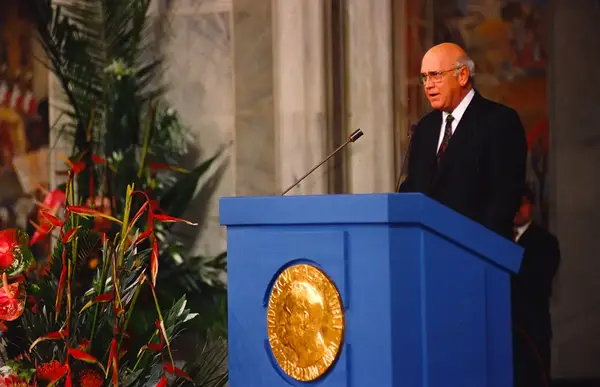
2021 Nobel Peace Prize Supports Freedom of the Press

The Nobel Peace Prize has been awarded to two journalists with a long track record of fighting to protect freedom of expression: Maria Ressa and Dmitry Muratov, working in the Philippines and Russia.

Voir l'article
Logo de la revue d'appartenance Speakeasy

Rendez-vous

Captain Kirk Goes Back to Space!

The Canadian actor William Shatner, aka Star Trek Captain Kirk, will be aboard the next rocket from Blue Origin, Jeff Bezos' company, on October 12, 2021.

Voir l'article
Logo de la revue d'appartenance Speakeasy

Sélection culturelle

2021 Nobel Prize for Literature Turns the Spotlight on East Africa

The 2021 Nobel Prize for Literature has been awarded to Abdulrazak Gurnah from Tanzania, whose own experience of colonialism and exile have informed his ten novels as well as short stories and academic works.

Voir l'article
Logo de la revue d'appartenance Speakeasy

Halloween: Out of This World!

Halloween is celebrated by kids and adults all over the U.S.A…. even in NASA's Jet Propulsion Laboratory. Every year, teams of space scientists take an hour off from pushing the boundaries of space to compete in the annual pumpkin carving contest. The winners are of course… over the Moon!

Voir l'article
Logo de la revue d'appartenance Speakeasy

Sélection culturelle

Jane Campion Honoured at Lyon's Lumière Festival

The Lumière Festival in Lyon from 9 to 15 October has a great programme of films in various languages including English. And it will be giving the prestigious Prix Lumière to New Zealand director Jane Campion, as well as showing a retrospective of her films.

Voir l'article
Logo de la revue d'appartenance Speakeasy

Winning Films at Dinard

The Dinard British Film Festival is over for another year. But before it closed, the juries announced the winners of the various prizes. Here is a rundown.

Voir l'article
Logo de la revue d'appartenance Speakeasy

Read Poems Out Loud for National Poetry Day

It's National Poetry Day in the UK on 7 October . On that day, or any day, why not have fun with poems in class? They're a great way to explore language and practise diction.

Vous avez vu 600 résultats sur 1603